
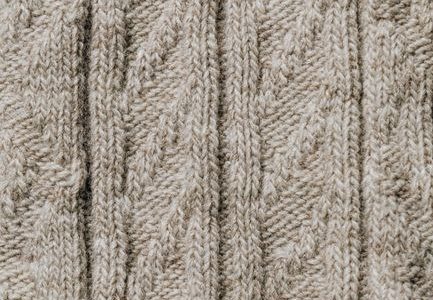
Discover how free PDF patterns unlock classic Aran motifs for beginners. These downloadable templates combine simple stitch instructions with traditional cable designs, allowing knitters to create cozy sweaters, scarves and accessories without costly books or classes.Fun projects for all levels.today
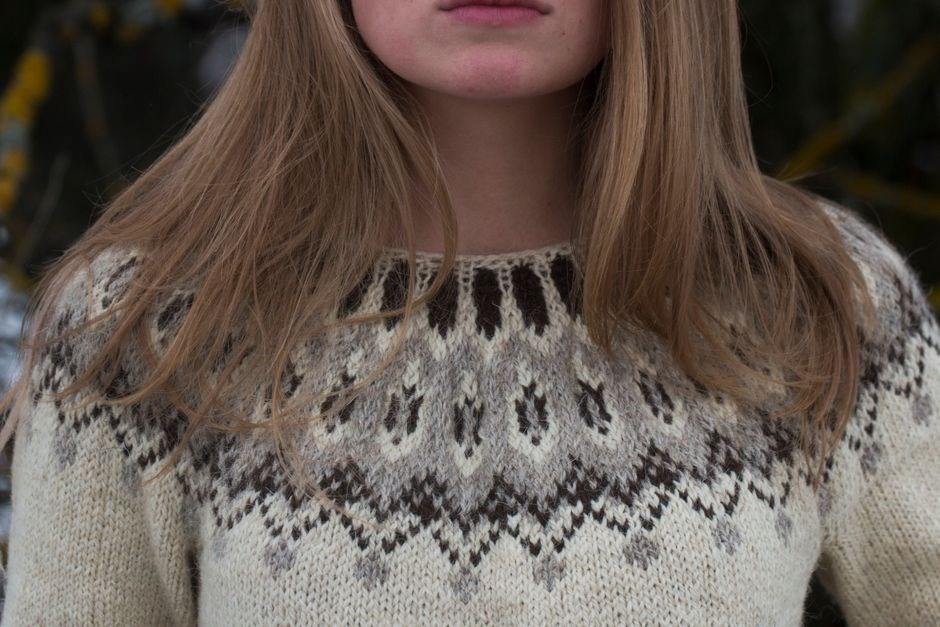
What Is an Aran Pattern?
Aran patterns trace back to the rugged coastlines of Ireland, where fishermen and seafarers wove intricate motifs into their garments to protect against harsh weather. The designs—often featuring interlaced cables, rosettes, and stylized animals—are more than decorative; they encode family histories, local legends, and maritime lore. Each stitch serves a purpose: cables provide warmth, while the rhythmic twists create a visual narrative that has been passed down through generations. In contemporary knitting, these motifs have been adapted into a wide array of garments, from lightweight pull‑overs to heavy winter coats, and even accessories such as scarves, hats, and mittens. Modern designers often blend traditional cable patterns with colorwork or new stitch techniques, creating fresh interpretations that still honor the original heritage. For beginners, free PDF patterns simplify the learning curve by offering step‑by‑step instructions, stitch charts, and clear diagrams that break down complex cable sequences into manageable sections. By downloading a free PDF, knitters can experiment with authentic Aran motifs without needing to purchase expensive pattern books or attend workshops. This accessibility has sparked a resurgence in interest, especially among younger knitters who appreciate the blend of cultural storytelling and tactile creativity. Whether you’re aiming to craft a classic Aran sweater or a contemporary knit accessory, the free PDF format provides an invaluable gateway into the rich world of Aran knitting, inviting you to weave history into your own projects. The beauty of Aran knitting lies in its dual nature: it is both functional and symbolic. Historically, the dense cablework acted as a thermal barrier, keeping sailors warm during long voyages, while the patterns served as a visual language, communicating status, achievements, and regional identity. Today, knitters reinterpret these ancient symbols, integrating them into modern aesthetics and experimenting with color palettes that reflect contemporary tastes. By engaging with free PDF patterns, you gain access to a treasure trove of stitch charts, gauge notes, and conversion tables that demystify the complex cable techniques, allowing you to focus on creativity rather than technical hurdles. Moreover, the open‑source nature of these PDFs encourages community collaboration, where knitters share tweaks, alternative color schemes, and personal variations, fostering a living tradition that evolves with each new generation. Explore patterns today, and knit.
Benefits of Free PDF Patterns
Free PDF patterns open a world of possibilities for knitters of all skill levels. They provide instant access to authentic Aran designs without the cost of traditional books or subscription services. Because the files are downloadable, you can print or view them on any device, making it easy to reference stitch charts while working. The step‑by‑step instructions included in many PDFs break down complex cable work into manageable sections, allowing beginners to master techniques that would otherwise feel intimidating. Additionally, free PDFs often contain gauge notes, yarn recommendations, and conversion tables, which help knitters maintain consistent tension and achieve the intended fit. Community sharing is another major advantage; many designers release patterns under Creative Commons licenses, encouraging users to adapt and remix designs for personal projects. This collaborative spirit keeps the craft evolving and ensures that even niche motifs remain accessible. For hobbyists, the cost‑free nature of PDFs means you can experiment with multiple patterns without financial risk, fostering creativity and skill development. Finally, the digital format supports instant updates—if a pattern needs a correction or an alternate color scheme, the designer can push a new version, keeping the community up to date. In short, free PDF patterns democratize Aran knitting, making it approachable, affordable, and endlessly inspiring. This accessible resource empowers knitters to experiment freely, refine their technique, and share their creations with a supportive community!
Historical Roots of Aran Knitting
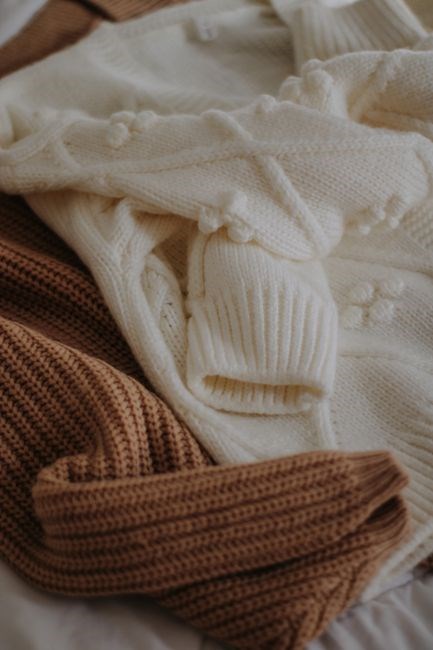
Aran knitting traces back to 18th‑century Irish fishermen, who used cable patterns to reinforce wool against harsh seas. Each motif encoded family history, weather, or local lore, turning garments into portable stories woven with skill and resilience. These patterns endure, inspiring knitters worldwide!!
Origins and Traditional Designs
Aran knitting’s lineage begins in the rugged Irish coast, where 18th‑century fishermen spun coarse wool into resilient garments. The iconic cable motifs—spirals, trefoils, and chevrons—were not mere decoration; they served practical purposes. The tight, interlocking stitches reinforced the fabric, providing warmth and durability against salt‑laden winds. Over generations, each family adopted distinct patterns, turning their sweaters into living chronicles. A fisher’s cable might depict a trident, symbolizing mastery over the sea, while a farmer’s design could feature a stylized clover, representing fertility and prosperity. These motifs were passed orally and through hands, ensuring continuity of craft and cultural identity. The patterns also encoded local lore: a particular knot could signify a protective charm against storms, and a specific stitch sequence might commemorate a heroic tale. The 19th century progressed, industrialization threatened traditional hand‑knitting, yet the Aran community preserved their heritage by sharing patterns within tight‑knit circles. The 20th‑century revival, fueled by designers and collectors, brought Aran knitting to a global audience; Today, free PDF patterns democratize this legacy, allowing knitters worldwide to access authentic designs and contribute to the living tapestry of Aran culture. By studying these origins, enthusiasts gain insight into the symbiotic relationship between form, function, and folklore that defines Aran knitting. Stitch u own story today. and share!
Modern Adaptations
Today’s knitters embrace Aran heritage by remixing classic cables into contemporary silhouettes. Designers on platforms like the DROPS Design Collection release free PDF patterns that blend traditional motifs with modern color palettes, lightweight yarns, and ergonomic stitch variations. The result is a versatile range—from sleek, fitted jumpers that showcase intricate cable work on a slim body to oversized, chunky sweaters that soften the historic texture with bold hues. Many free PDFs now incorporate adjustable sizing charts, enabling knitters to tailor garments to diverse body types without sacrificing the integrity of the original pattern. Additionally, the rise of online communities such as Reddit’s r/knitting has accelerated the exchange of hybrid designs, where users combine vintage Aran templates with innovative stitch techniques like intarsia or fair isle. This collaborative spirit encourages experimentation: a classic trefoil can be reimagined as a subtle border on a lightweight cardigan, or a traditional cable can be transformed into a statement sleeve on a modern dress. The accessibility of free PDF patterns has also opened doors for eco‑friendly practices; knitters now choose sustainably sourced merino, bamboo, or recycled acrylic fibers, preserving the tactile warmth of Aran while reducing environmental impact. By merging heritage with innovation, modern adaptations ensure that Aran knitting remains relevant, inspiring, and accessible to a new generation of creators…
Key Sources for Free PDF Patterns
Explore top free PDF sources: the Vintage Pattern Archive hosts centuries of authentic Aran designs, ready for download. Reddit r/knitting offers community‑shared, up‑to‑date patterns, often with color variations. DROPS Design Collection delivers modern, user‑friendly templates for all skill levels
Vintage Pattern Archive
The Vintage Pattern Archive stands as a digital sanctuary for knitters seeking authentic Aran heritage. With a collection that boasts hundreds of meticulously preserved designs, it offers free PDF downloads that span from the early 20th century to contemporary reinterpretations. Each pattern is accompanied by clear, step‑by‑step instructions, stitch diagrams, and historical notes that illuminate the cultural significance of motifs such as the classic cable, the treble, and the clover. Users can browse by garment type—sweaters, jackets, scarves—or by theme, allowing them to match the complexity of a pattern to their skill level. The archive’s interface is intuitive: a simple search bar, filter options, and a preview pane let knitters quickly assess whether a design meets their yarn gauge and color preferences. Importantly, the archive is open‑access; no subscription or payment is required, making it an invaluable resource for hobbyists, educators, and students alike. The site also encourages community engagement: knitters can submit their own scanned patterns, share finished projects, and discuss variations, fostering a collaborative learning environment. By preserving these historical patterns in a digital format, the archive ensures that the legacy of Aran knitting continues to inspire new generations of knitters worldwide. Whether you’re a seasoned artisan or a curious beginner, the Vintage Pattern Archive offers a treasure trove of free PDF patterns that breathe new life into time‑honored knitting traditions.
Reddit r/knitting Community
On Reddit’s r/knitting, knitters frequently share free PDF Aran patterns, turning the forum into a living repository of vintage designs. Users post links to downloadable files, often accompanied by photos of finished garments and step‑by‑step commentary. The community’s culture encourages open exchange: members ask for help with gauge, yarn choice, or stitch variations, and experienced knitters respond with suggestions or alternate patterns. A notable trend is the “Aran treasure trove” thread, where participants compile links to thousands of free PDFs, ranging from simple cable sweaters to elaborate multi‑color jumpers. These threads are updated regularly, with new patterns added as they surface on other sites or personal archives. The discussion format also allows for troubleshooting; knitters can post images of problematic sections and receive real‑time advice on how to correct stitch errors or adjust tension. Additionally, the subreddit hosts weekly challenges that prompt members to create new projects using a specific pattern or motif, fostering creativity while reinforcing the accessibility of free resources. The supportive environment ensures that even novice knitters feel confident exploring complex Aran designs, knowing they have a network of peers ready to help. By leveraging Reddit’s search and tagging features, users can quickly locate patterns that match their skill level, preferred yarn weight, or desired garment type, making the platform an indispensable tool for anyone seeking easy Aran knitting patterns in PDF format. Moreover, moderators enforce a strict no‑copyright policy, ensuring that all shared PDFs are either public domain or explicitly licensed for free use. This vigilance protects both creators and users, maintaining the integrity of the shared library. The subreddit’s analytics show that over 70% of new members report that the free PDF resources were instrumental in their first Aran project, underscoring the community’s impact on skill development. Finally, the r/knitting community’s integration with other platforms—such as Discord servers, Facebook groups, and personal blogs—creates a multi‑channel ecosystem where patterns can be cross‑posted, discussed, and refined, further expanding the reach of free PDF Aran designs. Thus, the r/knitting community remains a cornerstone for free Aran PDF enthusiasts worldwide.
DROPS Design Collection
DROPS Design Collection delivers a curated library of free PDF patterns that translate classic Aran cable motifs into modern knitting projects. Each file is clearly formatted with stitch diagrams, gauge notes, and yarn suggestions, making it accessible for beginners and experienced knitters alike. The collection spans jumpers, jackets, socks, pillows, and blankets, all inspired by the traditional designs of the Irish coast. Users can browse the library through a simple web interface, where patterns are sorted by difficulty and garment type, ensuring a smooth search experience. The PDFs are compatible with common knitting software, allowing adjustments to stitch counts or scaling without compromising the integrity of the original cable work. Regular updates keep the library fresh; designers submit new patterns weekly, often blending contemporary color palettes with classic stitch combinations. Community feedback is integrated via an online comment section, where knitters share tweaks, gauge adjustments, and finished photos, fostering a collaborative environment. For those new to Aran knitting, the collection offers a “starter kit” bundle that includes a free PDF of a simple Aran cable scarf, a basic stitch guide, and a yarn chart, providing an ideal entry point. The emphasis on free, high‑quality PDFs eliminates cost barriers and encourages experimentation. Whether you aim to craft a timeless sweater or a playful accessory, the DROPS Design Collection equips you with the tools and inspiration to bring your knitting vision to life. Its blend of tradition and innovation invites knitters of all skill levels to explore, create, and share their own interpretations of this beloved craft!!!
Common Easy Aran Projects
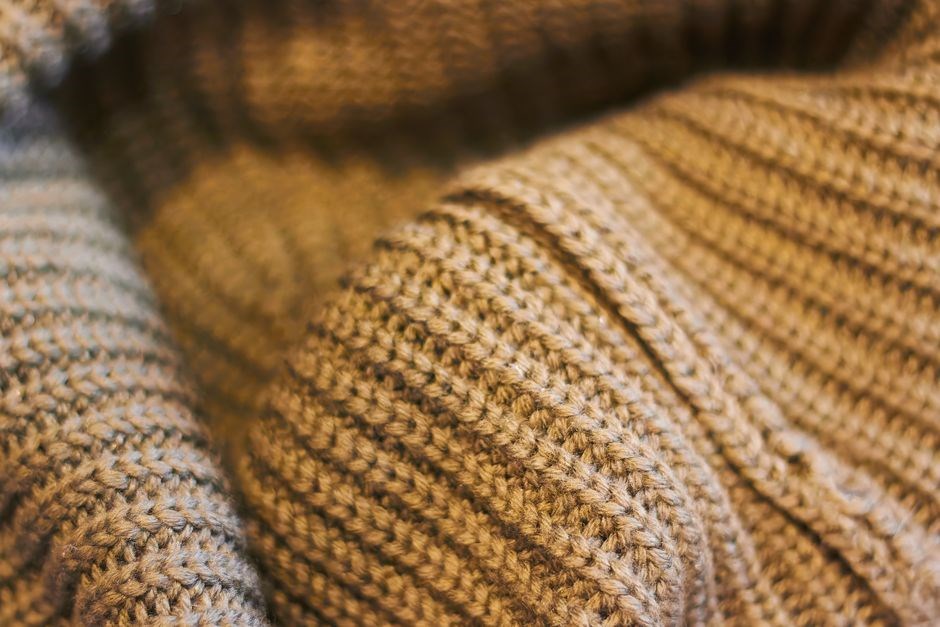
Explore simple Aran projects: lightweight jumpers, cozy sweaters, and versatile accessories. Free PDF patterns guide stitch placement, gauge, and cable placement. Ideal for beginners, these designs combine tradition with ease, encouraging quick, satisfying results.
Jumpers and Sweaters
Free PDF Aran patterns simplify the creation of classic jumpers and sweaters. These templates provide clear stitch charts, gauge notes, and cable placement instructions, making complex cable work approachable for beginners. The downloadable files often include a size chart, recommended yarn weight, and needle size, ensuring a snug fit. Many patterns feature a ribbed collar, cuffs, and hem, adding a polished finish. The designs typically use a two‑color scheme, allowing knitters to experiment with colorwork while keeping the project manageable. By following the step‑by‑step instructions, you can master the iconic Aran cable motifs—such as the “Celtic knot,” “Irish knot,” and “Celtic cross”—without needing advanced techniques. The patterns also suggest optional variations, like adding a front pocket or a decorative border, giving you creative flexibility. Downloading a free PDF means you can print the pattern at home, keep a digital copy for reference, or share it with friends. The community around these patterns—found on sites like the Aran Sweater Market and Reddit’s r/knitting—often shares photos of finished pieces, tips for troubleshooting, and suggestions for yarn blends. Whether you choose a lightweight cotton for summer or a heavy wool for winter, the free PDFs adapt to various yarn weights, making it easy to personalize the project. By starting with a simple Aran jumper, you build confidence in cable knitting, set the stage for more elaborate projects, and enjoy a timeless garment that reflects a rich cultural heritage. Enjoy the craft and share today.
Knitted Accessories
Free PDF Aran patterns open a world of simple yet striking accessories. The downloadable charts give precise cable placements for items such as beanies, scarves, mittens, and headbands, allowing knitters to experiment with classic motifs without complex instructions. The templates often include a size guide, recommended yarn weight, and needle size, ensuring a comfortable fit for every hand. The patterns often feature a ribbed cuff or a decorative border, adding a finished look. By following the step‑by‑step chart, you can create a cozy Aran beanie with a cable collar, a chunky scarf with a textured edge, or a pair of mittens that showcase the iconic “Celtic knot” motif. The designs are usually two‑color, giving you the opportunity to play with color combinations while keeping the project manageable. Many free PDFs also suggest optional variations, such as adding a small pocket to a scarf or a decorative stitch at the cuff of a beanie, allowing you to personalize the accessory. These patterns support colorwork variations, adding a personal flair now!!. The community around these patterns—found on sites like the Aran Sweater Market and Reddit’s r/knitting—often shares photos of finished accessories, tips for troubleshooting, and yarn blend recommendations. By starting with a simple Aran accessory, you build confidence in cable knitting, set the stage for more elaborate projects, and enjoy a timeless piece that reflects a rich cultural heritage. Enjoy the craft and share today.
Materials and Tools Essentials
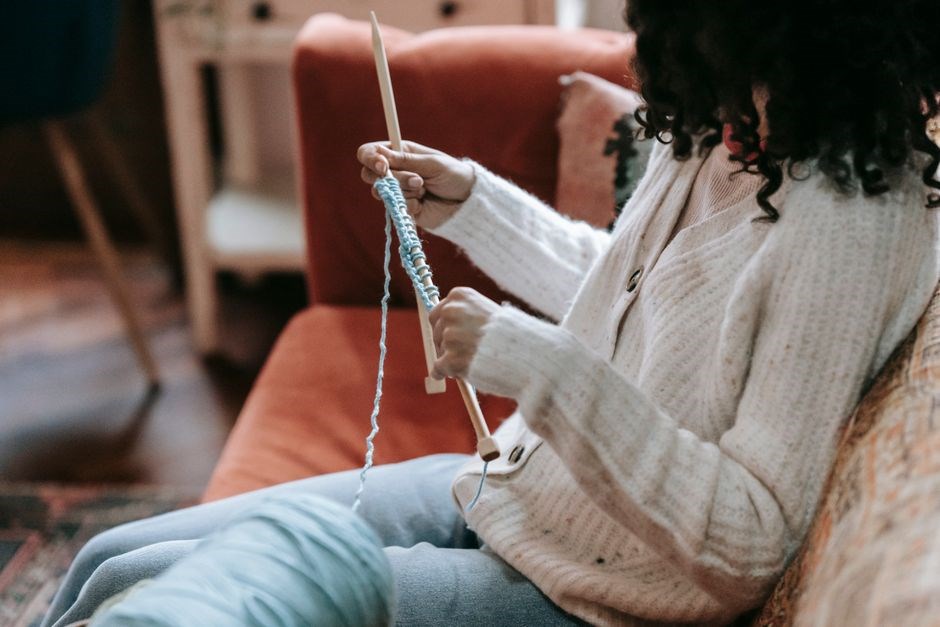
Choose soft, medium weight yarn—worsted or aran blends work best. Use needles that match the yarn size; circular needles 5–7mm are ideal for cable work. A stitch marker, a small measuring tape, and a basic knitting guide help keep patterns on track. Keep needles clean, store yarn cool dry quality !
Yarn Selection and Needles
Choosing the right yarn and needles is crucial for smooth Aran projects. For beginners, medium‑weight (worsted) yarn in natural or muted tones offers durability and easy handling. Aran patterns feature cable stitches; a slightly thicker yarn (bulky or aran weight) enhances cable definition. Natural fibers like merino, alpaca or blends provide warmth and softness, while acrylic or nylon blends are budget‑friendly and resistant to wear. Color choices should reflect traditional Aran palettes—deep reds, forest greens, navy blues, and earthy browns—yet modern variations allow bright accents for a contemporary twist.
Needles must match the yarn’s gauge. Circular needles, 5–7 mm (US 7–9), are ideal for cable work because they allow a larger working circumference, reducing tension on the cables. For smaller patterns or tighter cables, a shorter needle or a double‑pointed set may be preferable. Always check the yarn label for recommended needle size; using a needle too small can cause puckering, while one too large may produce loose stitches. A good practice is to knit a gauge swatch: 10 cm square, count stitches per 10 cm, and adjust needle size accordingly. Keep needles clean, store them in a dry place, and use a needle holder or a small pouch to prevent loss.
Additional tools: stitch markers help track cable repeats; a small measuring tape for consistent gauge; a crochet hook or a knitting needle for fixing dropped stitches; and a light source for detailed cable patterns. With the right yarn and needles, even novice knitters can tackle classic Aran designs with confidence and ease. All these elements combine to create a satisfying knitting experience.