

Plant-Based Diet Grocery List: A Comprehensive Guide (Updated 04/22/2026)
Discovering flavorful plant-based options is surprisingly simple! Accessing convenient, downloadable PDF grocery lists streamlines your transition, ensuring a delightful culinary adventure awaits․
Embarking on a plant-based journey begins with a well-planned grocery trip! Many find the initial shift daunting, questioning what to buy and how to navigate supermarket aisles․ Fortunately, readily available resources, like downloadable PDF grocery lists, can significantly simplify the process․
These lists categorize essential plant-based foods, making shopping efficient and ensuring you don’t overlook vital ingredients․ They often include sections for fruits, vegetables, legumes, grains, nuts, seeds, and plant-based milk alternatives․ Utilizing a PDF list minimizes impulse purchases and promotes adherence to your dietary goals․
Furthermore, these lists can be customized to suit individual preferences and dietary needs, offering a flexible framework for plant-based success․ Don’t hesitate to explore various PDF options to find one that perfectly aligns with your lifestyle!
What Defines a Plant-Based Diet?
A plant-based diet prioritizes foods derived from plants, encompassing fruits, vegetables, legumes, grains, nuts, and seeds․ It’s not necessarily vegan, though it can be! Many variations exist, ranging from fully plant-exclusive to diets simply emphasizing plant foods․
Understanding this flexibility is key when creating your grocery list․ A comprehensive PDF grocery list reflects this diversity, offering options for various plant-based approaches․ Whether you’re aiming for a whole-food, plant-based lifestyle or incorporating more plant meals, a well-structured list is invaluable․
Utilizing a PDF can help you focus on abundance – what to include – rather than restriction․ It’s about building meals around plant foods, and a good list provides the foundation for delicious, nourishing choices․
Benefits of a Plant-Based Diet
Embracing a plant-based diet offers numerous health advantages, from improved heart health and weight management to reduced risk of chronic diseases․ Increased fiber intake, abundant vitamins, and powerful antioxidants contribute to overall well-being․
A thoughtfully curated PDF grocery list supports these benefits by ensuring you have access to nutrient-rich foods․ It simplifies meal planning, making it easier to consistently choose wholesome options․ This proactive approach minimizes processed food consumption and maximizes plant-powered nutrition․
Having a PDF list readily available encourages mindful shopping, aligning your purchases with your health goals․ It’s a practical tool for transforming a desire for wellness into a sustainable lifestyle․
Core Grocery Categories for a Plant-Based Diet
Utilize a PDF grocery list organized by categories – fruits, vegetables, legumes, and grains – to efficiently navigate the store and stay on track!
Fruits: Essential Vitamins & Antioxidants
A well-structured plant-based diet PDF grocery list prioritizes fruits for their vital nutrients․ Include sections for berries – strawberries, blueberries, and raspberries – ensuring a variety of antioxidants․ Don’t forget citrus fruits like oranges, lemons, and grapefruits, excellent sources of Vitamin C․
Tropical fruits, such as bananas, mangoes, and pineapples, add sweetness and essential vitamins․ A PDF format allows for easy checking off as you shop, preventing forgotten items․ Consider seasonal availability when planning your list, maximizing flavor and affordability․ Categorizing fruits within your PDF simplifies shopping and encourages a diverse intake, supporting overall health and well-being on your plant-based journey․
Berries (Strawberries, Blueberries, Raspberries)
Your plant-based diet PDF grocery list should prominently feature berries! Strawberries, blueberries, and raspberries are antioxidant powerhouses, crucial for cellular health․ A dedicated section within the PDF ensures you don’t overlook these gems․ Consider frozen options for affordability and year-round availability – they’re just as nutritious!
Specify quantities needed for the week – perhaps a pint of strawberries, a container of blueberries, and a package of raspberries․ Note any preferred organic options․ A well-organized PDF streamlines shopping, making it easy to grab these vibrant fruits․ Berries are versatile, perfect for smoothies, oatmeal, or simply enjoyed as a snack!
Citrus Fruits (Oranges, Lemons, Grapefruits)
Ensure your plant-based diet PDF grocery list includes a vibrant citrus section! Oranges, lemons, and grapefruits provide essential Vitamin C and a refreshing zest to meals․ The PDF should detail quantities – perhaps a bag of oranges, a few lemons, and a grapefruit․ Consider specifying seedless varieties for convenience․
Lemons are incredibly versatile; include a note to use the zest and juice․ A dedicated section in your PDF prevents forgetting these nutritional staples․ Citrus fruits enhance water flavor and add brightness to salads and plant-based dishes․ Prioritize organic options when possible for reduced pesticide exposure․
Tropical Fruits (Bananas, Mangoes, Pineapples)
Your plant-based diet PDF grocery list should definitely feature tropical delights! Bananas are perfect for quick energy and smoothies, so include a bunch․ Mangoes add sweetness to salads and desserts – note ripeness preferences on your PDF․ Pineapples offer bromelain, an anti-inflammatory enzyme, and a tangy flavor․
Specify quantities – perhaps 6 bananas, 2 mangoes, and one pineapple․ A PDF format allows for easy checking off as you shop․ Consider frozen options for smoothies or when fresh fruit isn’t in season․ These fruits provide vital vitamins and minerals, enhancing your plant-based journey․
Vegetables: The Foundation of Plant-Based Meals
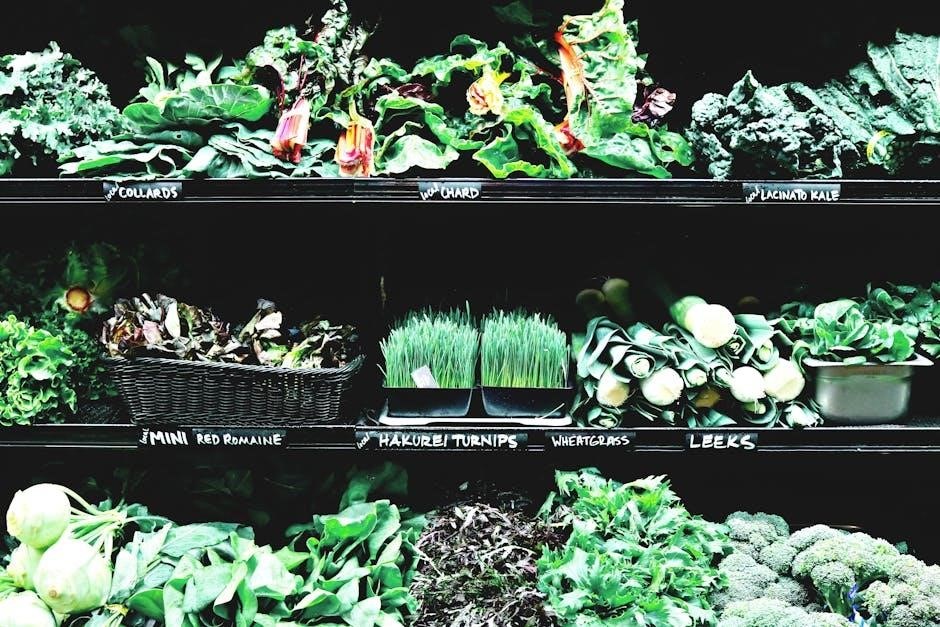
A comprehensive plant-based diet PDF grocery list prioritizes vegetables! They form the cornerstone of nutritious, satisfying meals․ Include a wide variety for optimal health benefits․ Your PDF should categorize them for efficient shopping – leafy greens, cruciferous, root vegetables, and others․
Specify quantities based on your household size and meal planning․ Don’t forget seasonal options for freshness and affordability․ A well-structured PDF simplifies meal prep․ Consider adding notes about preferred cooking methods – roasting, steaming, or stir-frying․ Vegetables deliver essential vitamins, minerals, and fiber, fueling your plant-based lifestyle․
Leafy Greens (Spinach, Kale, Lettuce)
Your plant-based diet PDF grocery list must prominently feature leafy greens! Spinach, kale, and various lettuces are nutritional powerhouses․ The PDF should detail preferred types – baby spinach for salads, Tuscan kale for chips, romaine for wraps․
Include quantity suggestions based on weekly consumption; Note if organic is preferred․ A helpful PDF might list versatile recipes utilizing these greens – smoothies, salads, sautéed sides․ Consider adding storage tips to maximize freshness․ Leafy greens provide vital vitamins, minerals, and fiber, essential for a thriving plant-based lifestyle․ Don’t underestimate their importance!
Cruciferous Vegetables (Broccoli, Cauliflower, Brussels Sprouts)
A comprehensive plant-based diet PDF grocery list absolutely needs cruciferous vegetables! Broccoli, cauliflower, and Brussels sprouts are packed with nutrients and offer diverse culinary applications․ Your PDF should specify fresh versus frozen options, noting potential cost savings with frozen․
Include recipe ideas – roasted broccoli, cauliflower rice, shaved Brussels sprout salad․ Quantities should reflect household size and consumption habits․ Highlight their cancer-fighting properties to reinforce their value․ Storage instructions are crucial for maintaining freshness․ These vegetables are foundational for a healthy, plant-powered diet, so prioritize them!
Root Vegetables (Carrots, Potatoes, Sweet Potatoes)
A well-designed plant-based diet PDF grocery list must include a robust selection of root vegetables․ Carrots, potatoes, and sweet potatoes are versatile staples, offering both nutrition and affordability․ The PDF should differentiate between varieties – Yukon gold, red potatoes, garnet sweet potatoes – and suggest appropriate quantities based on family size․
Include storage tips to maximize freshness and minimize waste․ Recipe suggestions like roasted root vegetable medleys or sweet potato fries enhance usability․ Emphasize their fiber content and sustained energy release․ Don’t forget to note organic versus conventional options, catering to different preferences and budgets․
Legumes: Protein & Fiber Powerhouses
A comprehensive plant-based diet PDF grocery list prioritizes legumes as essential protein and fiber sources․ The PDF should categorize beans – black, kidney, pinto – lentils (red, green, brown), and peas (green, split)․ Include both dried and canned options, noting the need for rinsing canned varieties․
Suggest quantities based on meal planning, and provide quick-soak instructions for dried beans․ Highlight their affordability and versatility in soups, stews, and salads․ Mention potential digestive considerations and tips for minimizing gas․ A section on legume-based flours for baking adds value, promoting diverse culinary applications․
Beans (Black Beans, Kidney Beans, Pinto Beans)
Your plant-based grocery list PDF must detail bean varieties․ Include black beans (15oz cans/1lb dried), kidney beans (15oz cans/1lb dried), and pinto beans (15oz cans/1lb dried)․ Note organic options․ Suggest quantities based on weekly recipes – 2-3 cans/lbs per type․
The PDF should offer quick-soak methods for dried beans, reducing cooking time․ Highlight their use in chili, tacos, and salads․ Include a tip: store cooked beans in the fridge for up to 5 days or freeze for longer storage․ Mention potential sodium content in canned beans and encourage rinsing․
Lentils (Red, Green, Brown)
A comprehensive plant-based grocery list PDF needs detailed lentil information․ Include red lentils (1lb), green lentils (1lb), and brown lentils (1lb), specifying organic choices․ Quantities should align with recipe needs – 1-2lbs of each is a good starting point․
The PDF should emphasize lentils’ quick cooking time (no soaking needed!)․ Suggest uses in soups, stews, and lentil loaf․ Note red lentils break down easily, ideal for thickening․ Include storage tips: store in airtight containers․ Highlight their high protein and fiber content, a plant-based diet staple․
Peas (Green Peas, Split Peas)
Your plant-based grocery list PDF must include both green and split peas․ Suggest 1-2lbs of frozen green peas for convenience and year-round availability․ For split peas, recommend 1lb bags of both yellow and green varieties․ The PDF should detail their versatility – green peas in sides, salads, and stir-fries․
Split peas excel in hearty soups and stews․ Note split peas require soaking․ Highlight their fiber and vitamin content․ Include a tip: frozen peas don’t need thawing before use․ Storage instructions are vital – airtight containers for both types․ Emphasize peas as an affordable protein source․
Pantry Staples for Plant-Based Cooking
A comprehensive plant-based PDF grocery list prioritizes pantry essentials like grains, seeds, and nut butters for convenient, nutritious meal building․
Grains & Seeds: Complex Carbohydrates & Healthy Fats
Building a solid plant-based pantry begins with versatile grains and seeds, often highlighted on a detailed PDF grocery list․ Quinoa, a complete protein, is a fantastic base for bowls and salads․ Brown rice offers sustained energy, while oats provide a hearty breakfast option․
Don’t overlook the power of seeds! Chia seeds swell to create a pudding-like texture and are rich in omega-3s; Flax seeds, best consumed ground, offer similar benefits․ Hemp seeds are another excellent source of protein and healthy fats․ A well-stocked PDF list ensures you’re prepared for diverse recipes, simplifying your plant-based journey and promoting optimal nutrition․
Whole Grains (Quinoa, Brown Rice, Oats)
Essential components of a plant-based diet, whole grains should be prominently featured on your PDF grocery list․ Quinoa, a complete protein, cooks quickly and adds texture to any meal․ Brown rice, unlike its white counterpart, retains its bran and germ, offering more fiber and nutrients – a staple for sustained energy․
Oats, whether rolled or steel-cut, are incredibly versatile for breakfast or baking․ A comprehensive PDF list will specify varieties like steel-cut for a chewier texture․ Prioritizing these whole grains ensures you’re receiving complex carbohydrates, vital for fueling an active lifestyle and supporting overall health within your plant-based approach․
Seeds (Chia Seeds, Flax Seeds, Hemp Seeds)
Don’t overlook the nutritional power of seeds when building your plant-based PDF grocery list! Chia seeds are fantastic for thickening smoothies or making chia pudding, providing omega-3 fatty acids and fiber․ Flax seeds, best consumed ground for optimal absorption, are another excellent source of omega-3s and lignans․
Hemp seeds offer a complete protein profile and a nutty flavor, perfect sprinkled on salads or yogurt․ A well-structured PDF should include notes on storage – keeping seeds refrigerated preserves their freshness․ Incorporating these tiny powerhouses boosts your intake of healthy fats, protein, and essential nutrients effortlessly․
Nuts & Nut Butters: Healthy Fats & Protein
Your plant-based PDF grocery list isn’t complete without a selection of nuts and nut butters! These provide essential healthy fats, protein, and vital nutrients․ Almonds and almond butter are versatile snacks, while walnuts and walnut butter offer a rich source of omega-3 fatty acids․
Cashews and cashew butter contribute a creamy texture to sauces and desserts․ When choosing, opt for unsalted varieties to control sodium intake․ A comprehensive PDF list should also note potential allergens and suggest checking ingredient labels for added sugars or oils․ Stocking up ensures convenient, nutritious additions to meals․
Almonds & Almond Butter
Ensure your plant-based PDF grocery list includes both almonds and almond butter for versatile nutrition․ Almonds are excellent for snacking, adding crunch to salads, or incorporating into trail mixes․ A PDF should specify raw, roasted, or flavored options, noting potential added ingredients․
Almond butter is a fantastic protein source, perfect for spreading on whole-grain toast, blending into smoothies, or using in sauces․ Your PDF checklist should differentiate between smooth and crunchy varieties․ Prioritize brands with minimal ingredients – ideally, just almonds and perhaps a touch of salt․ Consider bulk buying for cost savings!
Walnuts & Walnut Butter
Don’t forget walnuts and walnut butter on your plant-based PDF grocery list! Walnuts are nutritional powerhouses, rich in omega-3 fatty acids and antioxidants․ A comprehensive PDF should indicate options like shelled, halves, or pieces, catering to different recipe needs․
Walnut butter offers a distinct, slightly bitter flavor, ideal for adding depth to sauces, dressings, or enjoying with fruit․ Your PDF should highlight brands with simple ingredient lists – walnuts are the star! Consider the cost-effectiveness of larger containers․ Walnuts are delicate, so check expiration dates and storage recommendations on your PDF․
Cashews & Cashew Butter
Ensure your plant-based PDF grocery list includes cashews and cashew butter – versatile staples! Cashews provide a creamy texture and mild flavor, perfect for sauces, dips, and “cheese” alternatives․ A detailed PDF will specify raw, roasted, or salted options, guiding your choices․
Cashew butter is exceptionally smooth and sweet, making it a fantastic base for desserts or a satisfying snack․ Your PDF should suggest brands prioritizing minimal ingredients – ideally, just cashews! Check for organic options․ Consider the price per ounce when comparing brands on your PDF, and note storage instructions to maintain freshness․
Plant-Based Milk Alternatives
A comprehensive plant-based PDF grocery list must include milk alternatives! Soy, almond, and oat milk are popular choices, each with unique benefits․ Your PDF should detail unsweetened versus sweetened varieties, and fortified options (calcium, vitamin D)․
Soy milk offers a protein punch, while almond milk is lower in calories․ Oat milk provides a creamy texture ideal for lattes․ A well-designed PDF will indicate which milks are best for specific uses – baking, cereal, or drinking․ Note any allergen information on your PDF․ Consider shelf-stable versus refrigerated options for convenience․
Soy Milk
Your plant-based grocery list PDF should specify soy milk varieties: original, vanilla, and chocolate․ Unsweetened soy milk is crucial for controlling sugar intake, clearly marked on your PDF․ Note protein content – soy milk boasts the highest protein among plant-based milks, a key detail for your PDF users․
Include information on organic versus non-GMO options within the PDF․ Shelf-stable soy milk is convenient, while refrigerated versions offer a fresher taste․ A good PDF will also mention potential allergens (soy)․ Consider adding brand recommendations based on taste and availability, enhancing your PDF’s value․
Almond Milk
Your plant-based grocery list PDF must detail almond milk options: unsweetened, sweetened, and flavored (vanilla, chocolate)․ Highlight the lower calorie count compared to soy or oat milk within the PDF․ Note that almond milk is lower in protein, a crucial detail for informed choices on your PDF․
Include information regarding “almond beverage” versus true almond milk, clarifying the water content in the PDF․ Specify organic and non-GMO choices․ A comprehensive PDF should also mention potential allergens (tree nuts)․ Brand recommendations, based on taste and price, will elevate your PDF’s usefulness for shoppers․
Oat Milk
Your plant-based grocery list PDF should showcase oat milk’s creamy texture, ideal for lattes and smoothies․ Detail varieties: original, barista blend (for frothing), and flavored options like vanilla or chocolate․ Emphasize its naturally sweeter taste compared to almond milk within the PDF․
Include information on gluten-free certifications, vital for those with sensitivities, clearly marked on your PDF․ Note that oat milk contains more carbohydrates than other plant milks․ Brand comparisons, focusing on ingredient lists and sustainability practices, will enhance your PDF’s value․ A well-designed PDF aids informed purchasing decisions․

Specialty Items & Considerations
Your plant-based grocery list PDF should include unique items like tofu and tempeh, alongside spices for flavor, ensuring a well-rounded shopping experience․
Plant-Based Protein Sources Beyond Legumes
Expanding beyond beans and lentils, a comprehensive plant-based grocery list PDF should definitely feature versatile protein alternatives․ Tofu and tempeh, derived from soybeans, are excellent choices, offering complete proteins and adapting beautifully to various cuisines․
Don’t overlook seitan, crafted from wheat gluten, providing a meaty texture ideal for stir-fries or grilling․ When building your PDF list, consider these options alongside your legumes to ensure diverse protein intake․
Remember to check ingredient lists for added sodium or unwanted additives․ These protein sources are staples for many, making your plant-based journey both satisfying and nutritionally complete!
Tofu & Tempeh
Your plant-based grocery list PDF must include tofu and tempeh – soybean-based powerhouses! Tofu, available in varying firmnesses, excels at absorbing flavors, perfect for scrambles, stir-fries, or even desserts․ Ensure your PDF specifies the type (silken, firm, extra-firm) based on intended recipes․
Tempeh, with its nutty flavor and firm texture, is fantastic marinated and baked or crumbled into sauces․ When creating your PDF, note whether it’s pre-marinated or plain․
Both are excellent sources of protein and calcium, contributing significantly to a balanced plant-based diet․ Don’t forget to check expiration dates and storage instructions on your PDF!
Seitan
Ensure your plant-based grocery list PDF incorporates seitan, a wheat gluten-based protein source boasting a remarkably meaty texture․ Often called “wheat meat,” seitan is incredibly versatile, lending itself well to grilling, frying, or stewing․ Your PDF should clarify if it’s pre-seasoned or unflavored, influencing recipe choices․
Seitan is a complete protein, making it a valuable addition for those transitioning to a plant-based lifestyle․ However, individuals with gluten sensitivities should avoid it․
Include storage guidelines on your PDF, as seitan typically requires refrigeration․ Consider adding notes about its ability to mimic various meats!
Spices & Herbs: Flavor Enhancement
A comprehensive plant-based grocery list PDF must dedicate a section to spices and herbs – the cornerstones of vibrant, flavorful cooking! Encourage shoppers to stock up on basics like cumin, paprika, garlic powder, onion powder, and chili powder․
Fresh herbs like basil, cilantro, parsley, and oregano elevate dishes significantly․ Your PDF could suggest creating a dedicated “spice rack” section for easy organization․
Don’t forget specialty blends! Italian seasoning, Cajun spice, or curry powder can add instant complexity․ Include a note about checking expiration dates for optimal potency․
Resources for Printable Plant-Based Grocery Lists (PDF)
Finding a well-designed plant-based grocery list PDF simplifies meal planning and shopping immensely․ Numerous websites offer free, downloadable lists tailored to various dietary needs and preferences․
Suggest exploring minimalist lists for beginners, or more detailed versions categorized by grocery store sections․ Many PDFs include space for personalization – adding favorite items or noting quantities․
Direct readers to blogs specializing in plant-based nutrition, often providing curated lists․ Encourage users to save their preferred PDF to their devices for convenient access during shopping trips!